
Origin
Coffee is a complex drink with a wide range of flavors, aromas, and textures. This variety is largely due to the origin of the coffee beans and the production methods used in different countries. Just as wine is influenced by the region where the grapes grow, coffee is influenced by the environment in which the coffee plant is cultivated. From the fertile highlands of Ethiopia to the volcanic soils of Central America, each region leaves its unique mark on the beans. In this blog post, we take you on a journey through different coffee regions, their distinctive flavor profiles, and the production processes that contribute to the diversity of your coffee experience.
Ethiopia
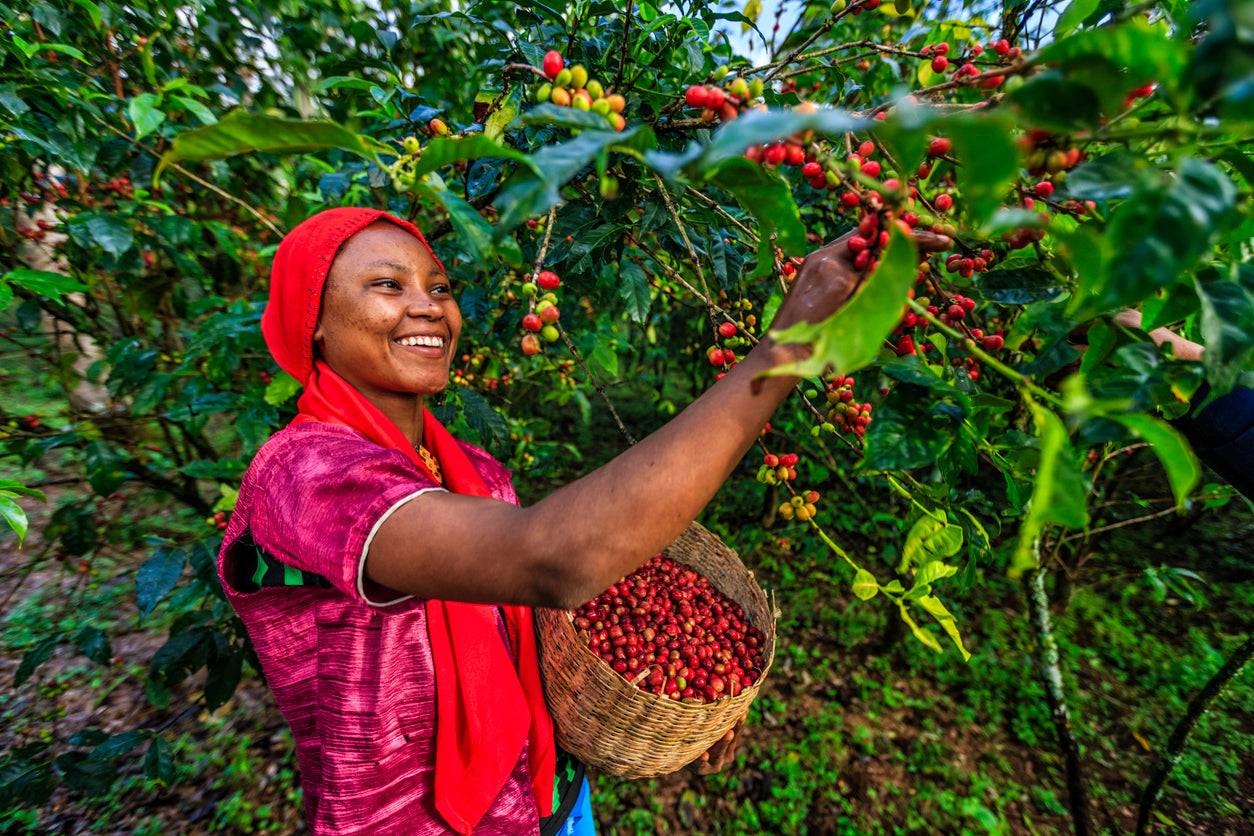
Ethiopia, the birthplace of Arabica coffee, is known for its fruity and floral flavors. The coffees from this region can range from citrusy notes to rich berry flavors, making them especially popular among specialty coffee enthusiasts. The production process in Ethiopia includes both washed and natural processing methods. Washed coffee offers a bright, clean taste, while natural coffee has sweeter, fruitier notes, thanks to drying the cherries with the pulp still intact.
Colombia
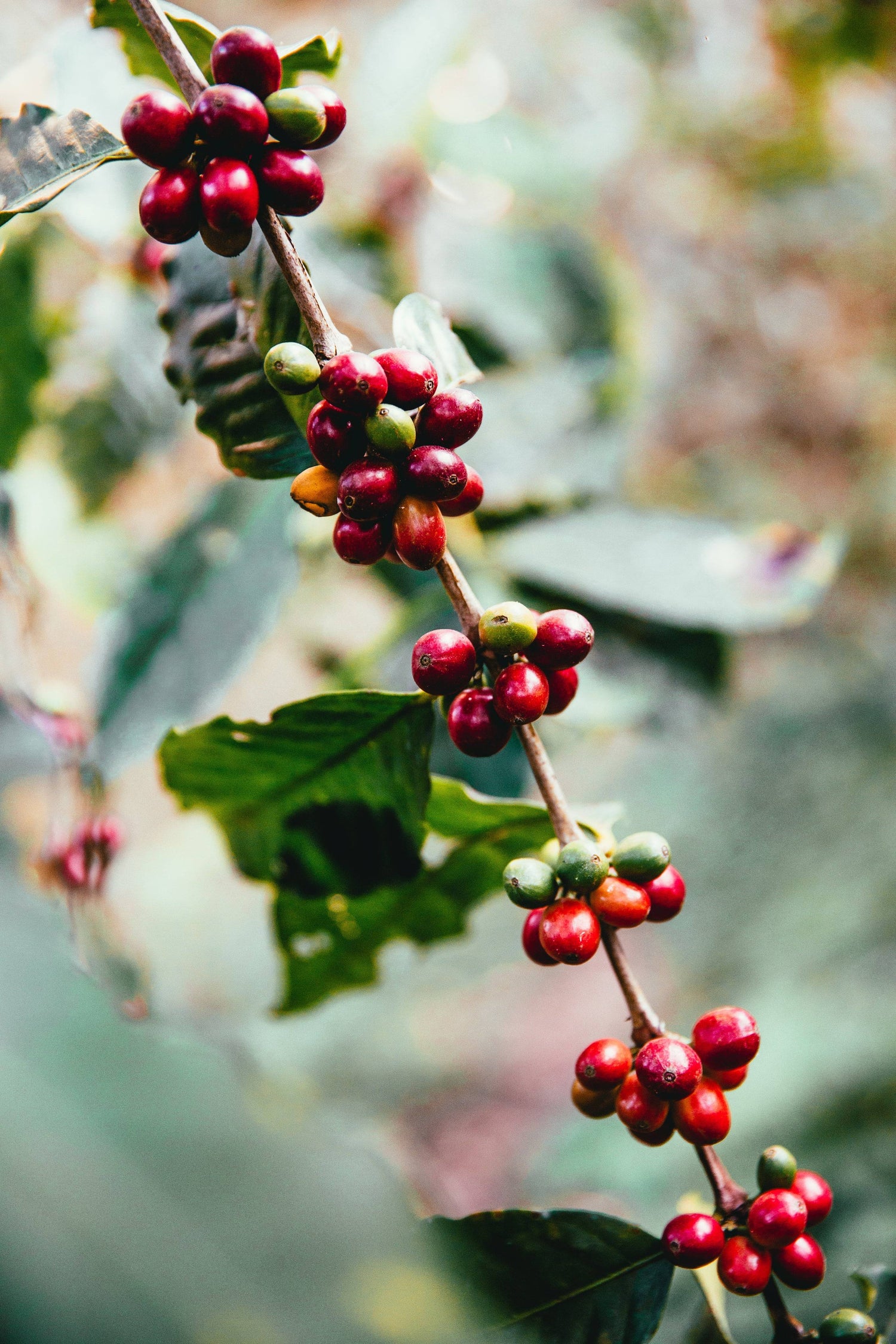
Colombia is known worldwide for its balanced coffee, with a silky body and a mix of caramel-like sweetness and bright acidity. This variety is the result of Colombia's diverse microclimates and the commonly used washed processing method. This process, which gives the beans a clean and lively flavor, is characteristic of coffees from regions such as Huila and Nariño, where careful fermentation and washing bring out a wide range of flavors.
Brazil
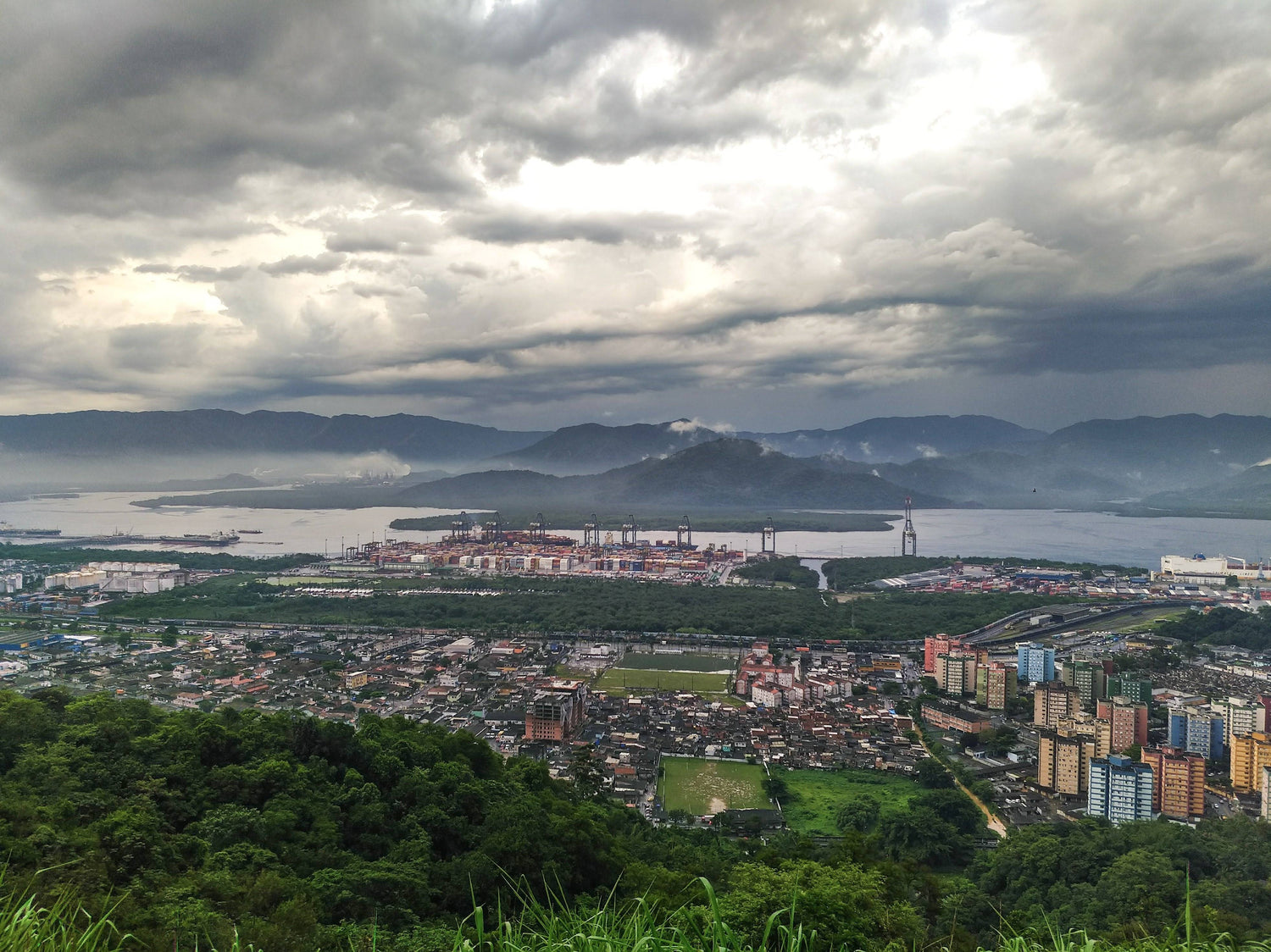
As the world's largest coffee producer, Brazil offers a wide range of flavor profiles, focusing on mild, nutty, and chocolatey notes. The natural and pulped natural processing methods, common in regions like Minas Gerais, give the coffee its characteristic full body and lower acidity. These methods highlight the sweetness and complexity of the beans, making Brazilian coffee often the base of many espresso blends.
Kenya
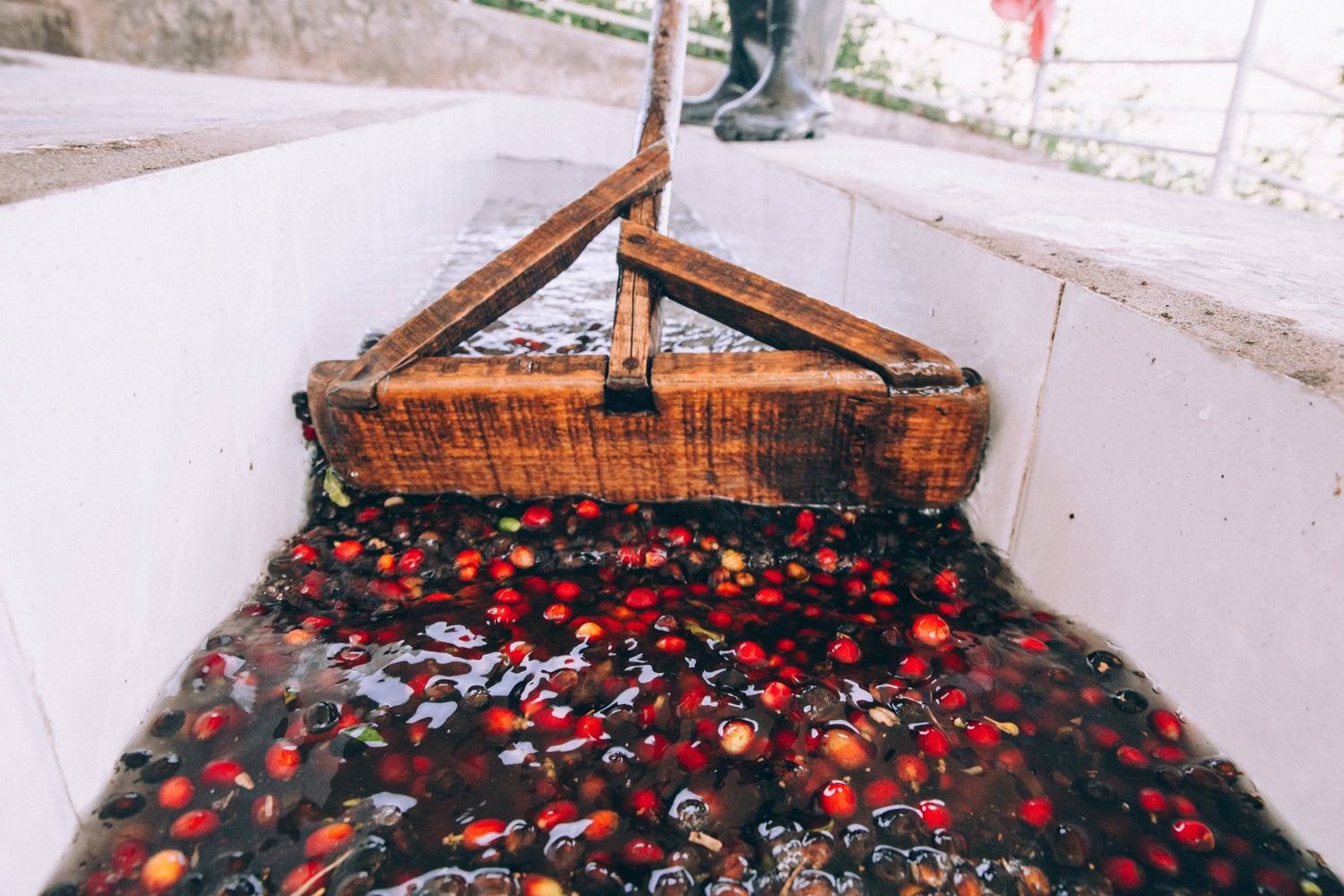
Kenyan coffee is loved for its pronounced clarity and complex wine-like flavors, with deep notes of berries and citrus. The carefully controlled washed processing method, combined with the rich volcanic soil and high growing conditions, gives Kenyan coffee its vibrant and complex character. Regions such as Nyeri are known for these bright, intense coffees, which are cherished by connoisseurs worldwide.
Indonesia
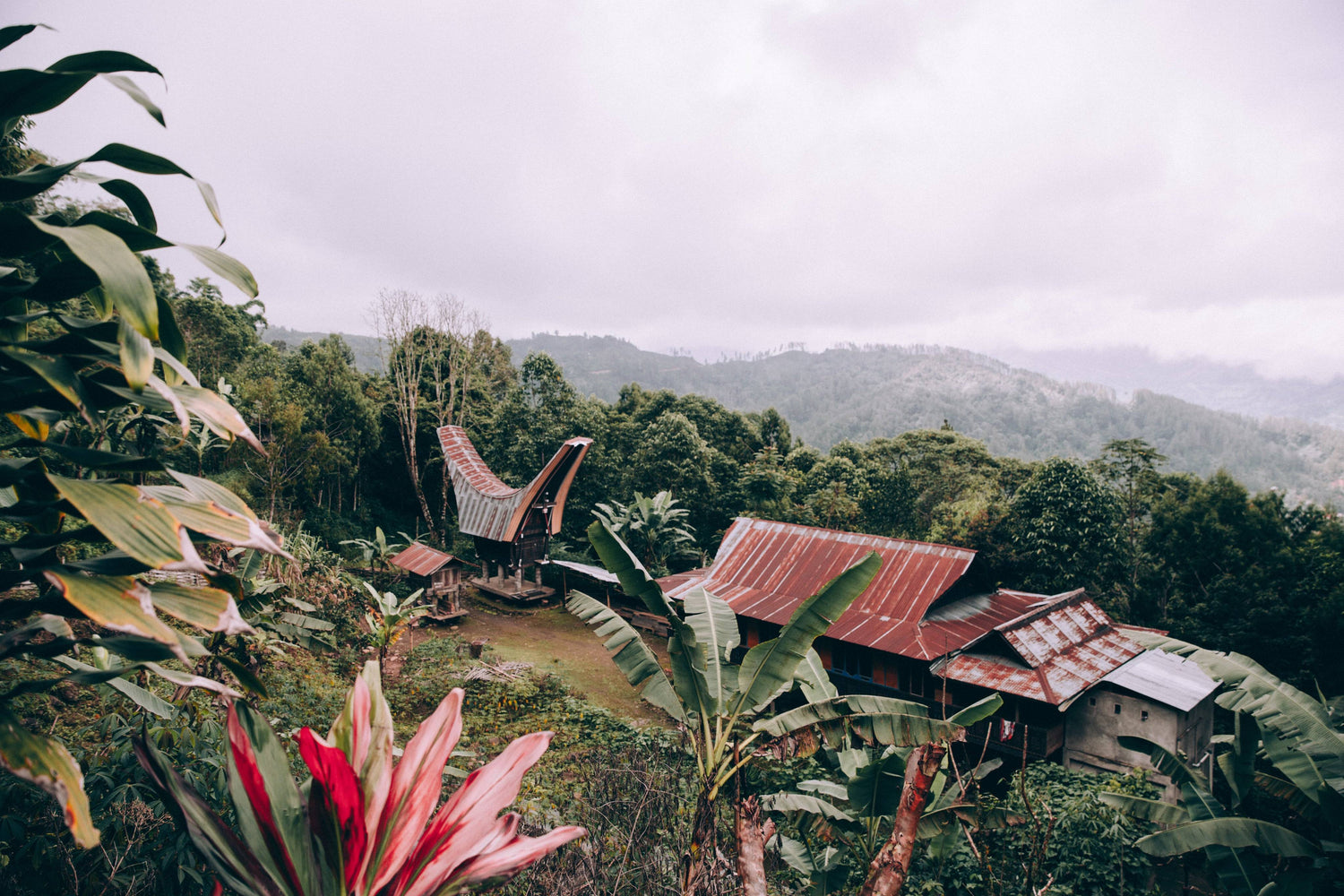
Indonesian coffee, especially the coffees from Sumatra, are famous for their full body and deep, earthy flavors. This unique flavor profile is thanks to the "giling basah" processing method, where the beans are wet hulled and partially dried. This process, necessary in Indonesia's humid climate, creates a robust, spicy coffee often used in dark roasts due to its rich and complex character.
Central America
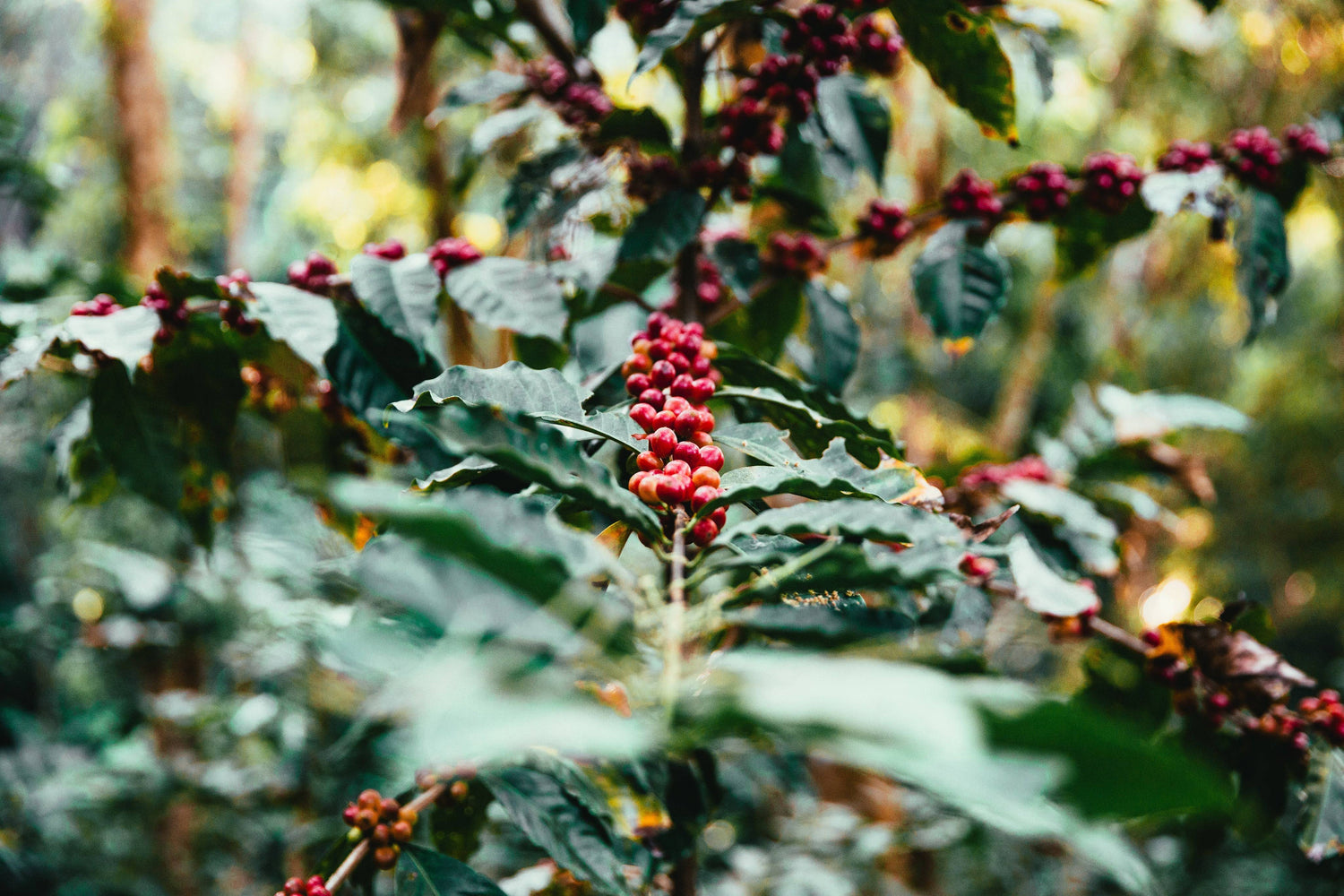
Central America, with countries like Guatemala and Costa Rica, is known for its clean and refined coffees, characterized by a bright acidity and a wide range of flavors, from chocolate to citrus. The washed processing method used in these regions ensures a clean, pure taste. For example, coffees from Antigua, Guatemala, have an excellent balance between body and acidity, while coffees from Tarrazu, Costa Rica, are known for their lively fruity notes and honey-sweet aftertaste.