Fairtrade
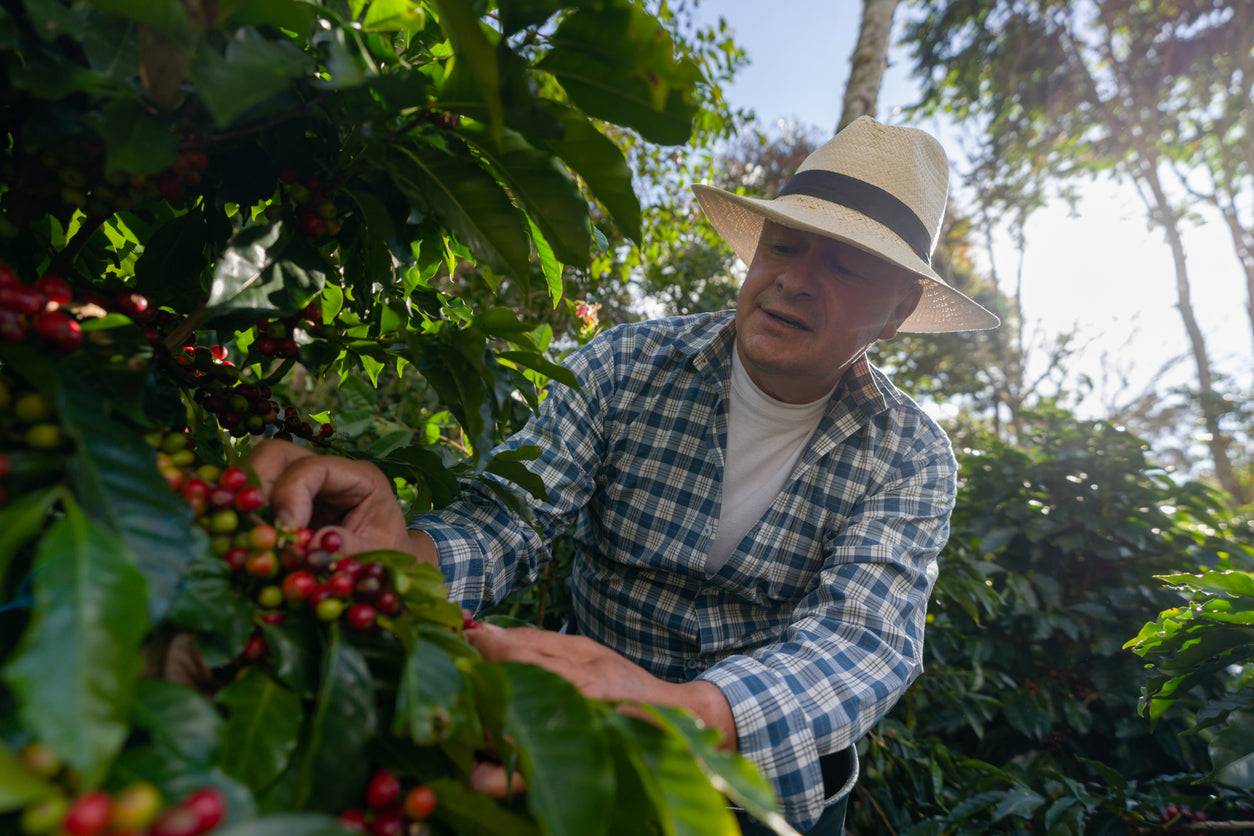
Fairtrade is probably the best-known certification in the coffee industry, symbolizing fair trade and better living conditions for farmers in developing countries. Coffee farmers, often small family businesses, are at the base of the global coffee chain, but they do not always receive a fair price for their hard work. The fluctuations of the world market and dependence on intermediaries can make them vulnerable to economic uncertainty.
Fairtrade works to combat this inequality by guaranteeing farmers a minimum price that covers the costs of sustainable production. This means that even when market prices fall, Fairtrade farmers maintain a stable income, enabling them to support their families and communities. In addition to this minimum price, Fairtrade-certified farmers also receive a premium, which they can invest in projects that improve their living conditions, such as education, healthcare, or infrastructure.
Rainforest Alliance
Rainforest Alliance is another leading certification in the coffee industry, distinguished by its focus on both social and ecological sustainability. While Fairtrade mainly focuses on fair prices and better working conditions, Rainforest Alliance commits to a holistic approach to sustainability. This certification ensures that coffee farms operate according to strict standards that protect biodiversity, minimize environmental impact, and safeguard the rights and well-being of workers.
Coffee farmers certified by Rainforest Alliance must meet criteria that promote sustainable farming methods, such as maintaining shaded plantations, reducing pesticide use, and protecting water sources. These methods contribute to the health of the ecosystem and help reduce the negative environmental impact of coffee production. Additionally, Rainforest Alliance ensures that workers on coffee farms receive fair wages and good working conditions, contributing to social justice and economic stability in coffee-producing communities.
Other Certifications
Although Fairtrade and Rainforest Alliance are the most prominent certifications in the coffee industry, there are other certifications that contribute to sustainability and ethics in the coffee supply chain. Certifications such as Organic, which guarantees that coffee is produced without synthetic chemicals, and Bird-Friendly, which promotes the protection of bird habitats, also play an important role. Each certification has its own focus and standards, but they all share a common goal: promoting a more sustainable and fairer coffee world. This diversity of certifications offers consumers more choices and contributes to greater transparency within the sector, making the impact of their purchases on the environment and communities in coffee-producing countries more visible.