Best Grind Size per Brewing Method — Why It Matters
The right best grind size per brewing method determines the flavor, extraction, and balance of your cup of coffee. The grind controls the contact time between water and coffee: too fine causes over-extraction (bitter), too coarse causes under-extraction (sour and flat). In this guide, we discuss the usual settings per brewing method and provide practical tips to adjust it yourself.
General Guideline for Grind Size
Use this classification as a starting point (general terms):
- Very fine: espresso
- Fine: Moka pot, Aeropress (short extraction)
- Medium-fine: V60 (filter with faster flow)
- Medium: Chemex (larger filter, longer contact time)
- Medium-coarse: French press
- Coarse / extra-coarse: cold brew
Use this as a baseline and adjust one click at a time on your grinder to correct acidity or bitterness.
Per Brewing Method — Recommended Approach
Espresso
Espresso requires a very fine grind and a short extraction time (about 25–35 seconds for a double shot is a common guideline). If the shot pulls too fast: grind finer. If it’s too syrupy and bitter: grind coarser. For consistent results, a quality grinder is crucial — check out our selection in the Coffee Grinders.
Moka Pot
The Moka pot works best with a fine grind, slightly coarser than espresso. If the coffee tastes too bitter, try grinding a bit coarser and pay attention to water and heat control.
Aeropress
Aeropress is versatile: short, high-pressure extractions work with fine grind; inverted or longer methods use medium-fine grind. Experiment with brew time and water pressure alongside the grind size.
Filter (V60 / Kalita / pourover)
Pour-over methods like the V60 generally require a medium-fine grind. For a V60 with fast flow, you can go slightly finer; for a Chemex (with thicker filter), usually a medium or medium-coarse grind. Small adjustments to grind size and pouring speed change the body and clarity of the cup.
Chemex
Because of the thick filter and longer flow time, Chemex works well with a medium to medium-fine grind. This produces a clear, clean cup with good body when the flow is balanced.
French Press
French press requires a coarse grind. Too fine causes sludge and over-extraction; too coarse can lead to watery and under-extracted coffee. For French press, a stable coarse grind is important — this is an advantage of a good conical or flat burr grinder.
Cold Brew
Cold brew uses a very coarse grind and a long extraction time (12–24 hours). Because extraction is low, a coarse grind yields a smooth, less acidic, and less bitter flavor.
Practical Tips for Adjusting Your Grind
- Start with the recommended coarse or fine setting and adjust one step at a time.
- Record brewing parameters (grind, ratio, temperature, time) so you can progressively fine-tune.
- If extraction is too sour/under-extracted: grind finer or increase contact time.
- If extraction is too bitter/over-extracted: grind coarser or reduce contact time.
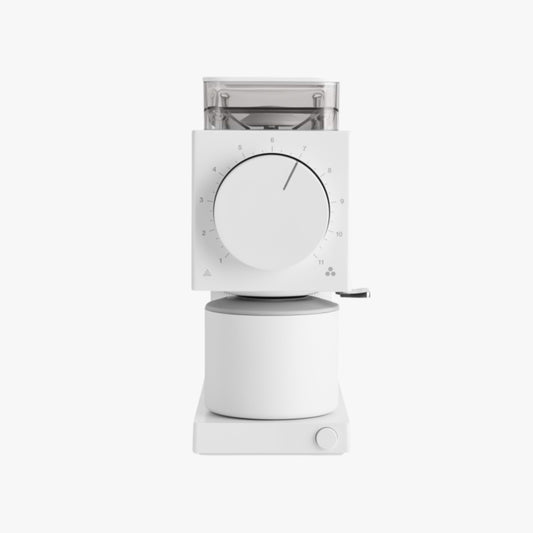
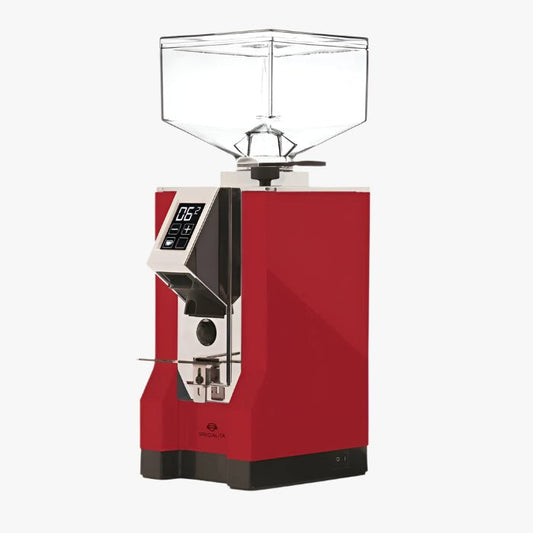
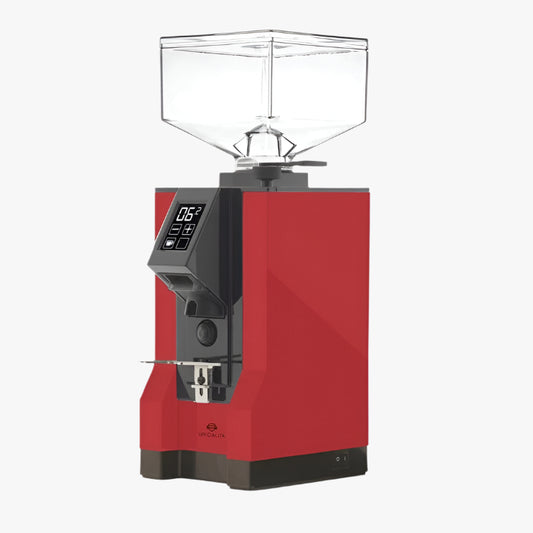
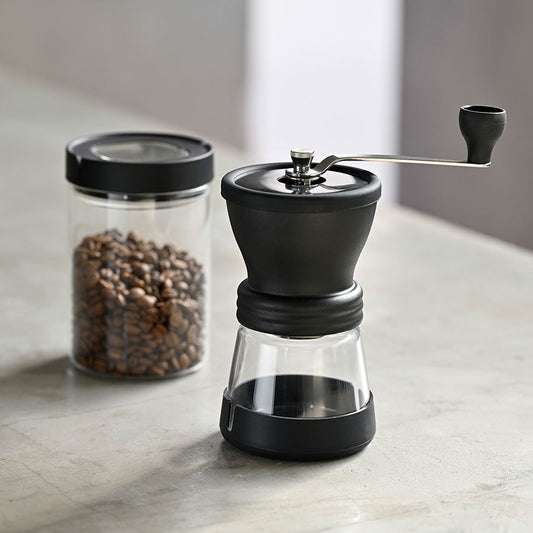
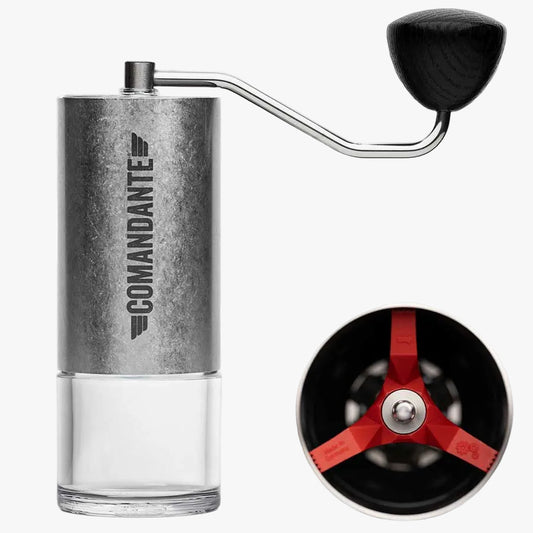
- Invest in a reliable grinder — consistency in grind size is at least as important as the chosen setting. Check out our Coffee Grinders for good options.
Why You Shouldn’t Use Pre-Ground Coffee
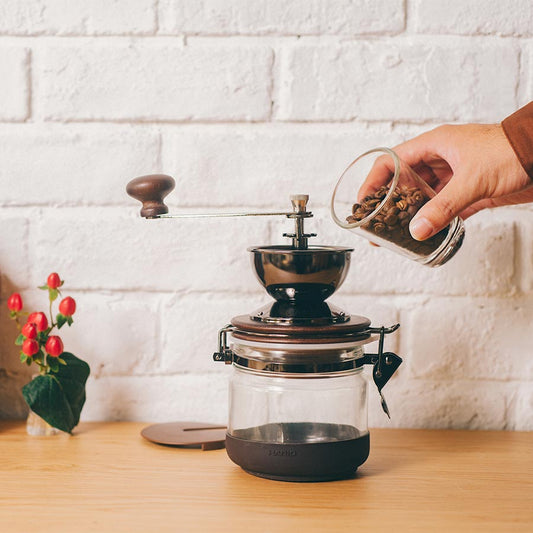
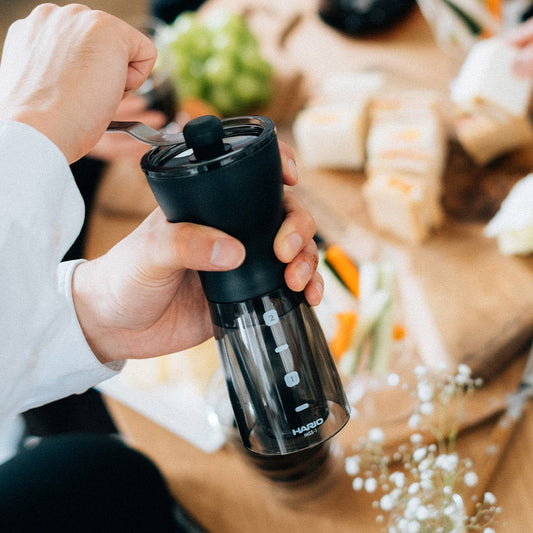
Pre-packaged ground coffee quickly loses aroma and consistency. By grinding fresh just before brewing, you preserve flavors and can finely adjust per brewing method. That’s why baristas and enthusiasts recommend investing in a good grinder — discover suitable models in our Coffee Grinders.
Conclusion
The best grind size per brewing method is a balance between grind size, brewing method, and personal taste. Use the guidelines above as a starting point, experiment in small steps, and record your results. A stable grinder and consistent routine are the fastest route to better coffee at home.
Recommended Collection
Looking for a grinder to help you achieve the ideal grind size? Check out our Coffee Grinders collection for a selection suitable for home baristas and enthusiasts.